





How to build a speedboat – Zadar Archipelago
 Mar 02, 2026
Building a speedboat is a fascinating process that blends craftsmanship and engineering. For those who want to navigate the world’s waters in a vessel they built, learning how to build a speedboat is paramount. At Zadar Archipelago, where boat tours and speedboat tours are part of everyday life, we’ve discovered firsthand how quality construction shapes experiences on the water.
One of the most memorable builds we’ve followed was commissioned and completed in 2016, inside a modest boat shed not far from Zadar’s old city center.
The project centred around preparing a fleet of Lolivul 9 models, and the final result was impressive, but the real story was in the process itself, which remains completely unknown to many visitors and aspiring builders.
Hull Construction and Plastification
The first crucial step in learning how to build a speedboat begins with the hull. The hull forms the backbone of the speedboat, determining how it cuts through waves and handles various sea conditions.

In the Zadar boat shed, craftsmen layered fibreglass and resin to reinforce the structure—a process known as plastification. This strengthens the hull and protects it from saltwater corrosion and mechanical stress. Proper plastification ensures that the boat remains reliable throughout years of boat tours and daily use.
Rubber Assembly: The Foundation of Stability
Once the hull and framework are in place, attention turns to the rubber assembly. This involves carefully fitting and attaching the inflatable rubber tubes to the hull structure. These tubes provide buoyancy and stability, which are essential features for any boat tour navigating the diverse waters of the Zadar archipelago.

During the Lolivul 9 build, each rubber section was measured, aligned, and bonded with precision since even minor misalignments can affect performance at high speeds.
Sealing the Stitches with Rubber Sealant
One of the most overlooked steps in building a speedboat is sealing the stitches. After assembly, every joint, seam, and connection point must be sealed using high-quality rubber sealant.

This step prevents water intrusion and protects internal components from moisture damage. In coastal environments like Zadar, where boats are constantly exposed to salt and sun, proper sealing significantly extends a vessel’s lifespan.

At the 2016 build site, craftsmen meticulously sealed each seam by hand. This attention to detail is what separates professional-grade speedboats from amateur builds.
Installing the Seating and Helm Station
After structural work is complete, the interior begins to take shape. Seating and the helm station are installed next, transforming the vessel from a shell into a functional speedboat.
Seating placement is carefully planned to balance weight distribution and maximize comfort. In professional speedboat tours, comfortable seating makes all the difference for guests spending hours exploring hidden bays and islands.
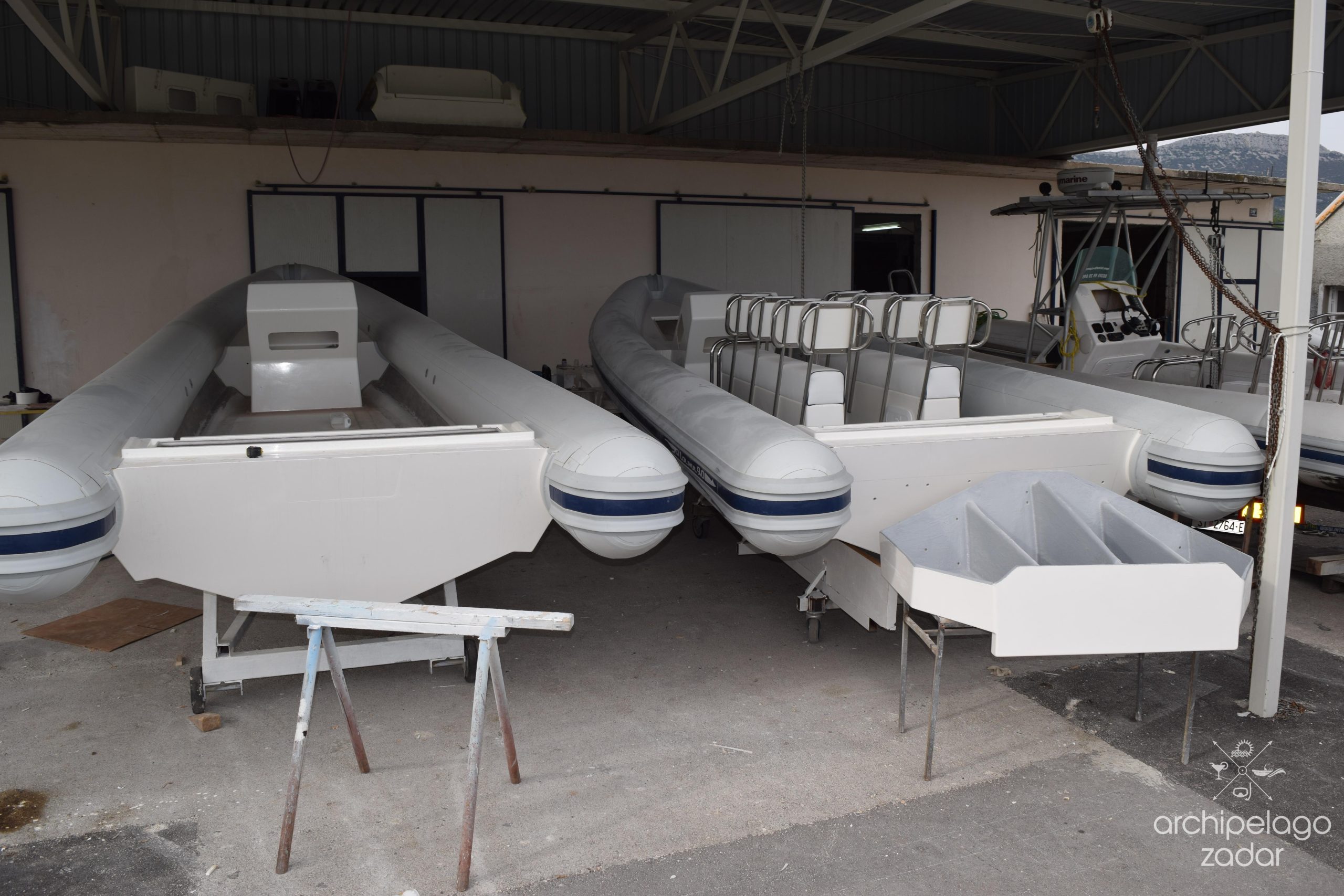
The helm station with its navigation, steering, and engine controls is critical. Because of this, during the Lolivul 9 build, modern instruments were integrated to ensure precise handling and safety.
Connecting Craftsmanship with Experience
At Zadar Archipelago, we understand that a great speedboat is the foundation of every memorable journey.

For readers interested in how to build a speedboat, this experience offers valuable insight into understanding how every component contributes to performance and comfort.
Why Quality Construction Matters for Tours
A professionally built speedboat directly impacts the quality of a boat tour because smooth handling and solid construction allow skippers to focus on guiding guests rather than managing technical issues.

In the dynamic waters of the Zadar archipelago, where weather and sea conditions can change quickly, dependable boats are essential. This knowledge enables us to deliver safe and enjoyable speedboat tours year-round.

Understanding the process behind the boat enhances the experience since learning how to build a speedboat is also a journey that requires skill, patience, and passion for the sea.
So, if you would like a tour on these reliably-built speedboats, contact Zadar Archipelago for a reference today.